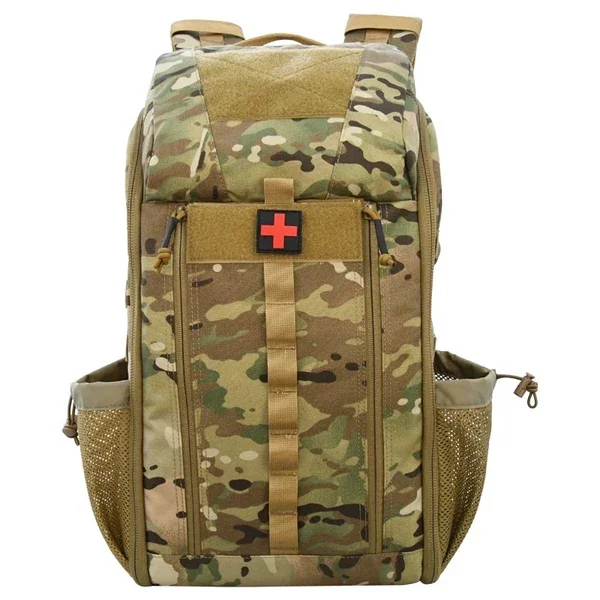
BEYOND THE CLINIC
BRINGING HEALTHCARE TO ISOLATED COMMUNITIES
A Justification for the Continued Expansion of the Mobile Medical Unit.
Throughout His ministry, Jesus went from town to town bringing healing, hope, & compassion to those who needed it most. Inspired by His example, the Saint Anthony of Padua Mission—led by the vision, dedication, & tireless leadership of Dr. Marco Giannotti & its Mobile Medical Unit—continues to bring life-changing healthcare beyond the walls of a clinic, reaching the most isolated communities with compassionate medical care.
“He went through every town and village, preaching the good news of the kingdom of God and curing every disease and illness.”
MEETING PEOPLE WHERE THEY ARE
The Saint Anthony of Padua Honduras Mission was founded upon a simple principle: healthcare should be available to all people regardless of geography, transportation barriers, or economic circumstance.
For many years, the mission has provided medical care through centralized clinics serving communities surrounding La Colonia. These clinics have successfully cared for hundreds of patients annually & remain the cornerstone of the mission's medical outreach efforts. However, over time, it became increasingly apparent that some of the most vulnerable individuals remained unable to access even these services.
The Mobile Medical Unit (MMU) was created to address that need.
The Mobile Medical Unit exists because some patients cannot come to the clinic. Therefore, the clinic must come to them. Initially developed to reach elderly, disabled, chronically ill, & homebound patients living in the mountain communities of Las Brisas, El Mirador, & La Esperancita, the MMU has evolved into a comprehensive mobile healthcare platform capable of delivering diagnostic, therapeutic, preventive, & public health services directly into underserved communities.
During the 2026 mission, the Mobile Medical Unit expanded its reach to the isolated coastal communities of Quinito & Plan Grande. These communities are accessible only by boat & face significant barriers to healthcare access. During this outreach effort, the MMU evaluated & treated 187 patients, including 87 patients in Quinito & 100 patients in Plan Grande.
The medical conditions encountered, the public health needs identified, & the barriers to healthcare access observed during these visits provide compelling evidence that continued Mobile Medical Unit outreach remains both necessary & effective.
A VISION BORN FROM NEED
The Mobile Medical Unit was born from a simple observation. Despite the success of the central clinic, some patients never arrived. As mission physicians & volunteers became more familiar with the communities surrounding La Colonia, it became apparent that certain individuals faced obstacles that prevented them from seeking care. Some were elderly. Some were disabled. Others suffered from chronic illness, limited mobility, or transportation difficulties. For many, the terrain itself created a barrier to healthcare access.
The result was predictable. Many of those with the greatest medical needs were the least likely to receive care. In response, the mission developed the Mobile Medical Unit & began bringing healthcare directly into the communities where these patients lived.
The first steps of a Lifesaving Outreach.
Early outreach efforts focused on Las Brisas, El Mirador, & Esperancita. A team consisting of a physician & a trauma nurse, travelled directly to the homes of patients who otherwise would not have received medical evaluation.
These visits revealed untreated hypertension, poorly controlled diabetes, chronic respiratory disease, arthritis, chronic pain syndromes, skin disorders, mobility limitations, & other chronic medical conditions. Many patients had gone extended periods without physician evaluation or access to medications.
The experience reinforced an important principle that continues to guide the Mobile Medical Unit today: some of the greatest healthcare needs exist among those least able to seek care.

BRINGING COMPASSION TO THOSE WHO COULD NOT COME.
For many of the elderly & homebound residents of Las Brisas, reaching the mission clinic in La Colonia simply was not possible. Through the MMU, compassionate care came directly to their doorstep.
During this first outreach visit in 2024 , Nurse Joey delivered much-needed care, a simple yet powerful reminder that true mission work meets people where they are, ensuring that no one is forgotten because of distance, illness, or circumstance.
BREAKING DOWN BARRIERS TO CARE
The communities of Las Brisas & El Mirador continue to demonstrate why direct outreach remains necessary. Many of the patients evaluated through home visits were elderly, chronically ill, or physically unable to travel to the central clinic. Some required evaluation in their homes because mobility limitations made travel impractical. Others lacked transportation or family support needed to reach medical services.
The Mobile Medical Unit allowed healthcare providers to bring medical evaluation directly to these individuals. Portable diagnostic equipment made it possible to obtain blood pressure measurements, pulse oximetry readings, blood glucose values, rhythm strips, & basic electrocardiographic evaluations in remote settings. Medications, vitamins, wound care supplies, & antiparasitic treatment could be delivered directly to patients at the time of evaluation.
These encounters consistently demonstrated that meaningful healthcare could be delivered outside the walls of a traditional clinic & that doing so often reached patients who would otherwise remain unseen.
Over time, healthcare access improved in Esperancita, reducing the need for continued intensive outreach. This represented a success of the Mobile Medical Unit model & reinforced another important principle: outreach resources should continually be directed toward areas of greatest need.
The lessons learned in these mountain communities ultimately shaped the future of the Mobile Medical Unit.
By bringing healthcare directly into patients' homes, the mission discovered that many barriers to care had little to do with the diseases themselves & everything to do with access. Once these barriers were identified, healthcare could be delivered effectively, compassionately, & safely within the community.
This realization would later guide the mission's decision to expand outreach efforts to isolated coastal communities facing similar challenges.
“But a Samaritan traveler who came upon him was moved with compassion at the sight. He approached the victim, poured oil and wine over his wounds and bandaged them.”
BEYOND THE MOUNTAINS
As the Mobile Medical Unit matured, the mission continued to evaluate where its resources could provide the greatest benefit. The success of outreach efforts in Las Brisas, El Mirador, & La Esperancita demonstrated that bringing healthcare directly to isolated populations could dramatically improve access to care. The question was no longer whether the Mobile Medical Unit worked. The question was where it was needed next.
The answer emerged along the Caribbean coast.
Residents of Quinito & Plan Grande faced many of the same healthcare challenges observed in the mountain communities, but for a different reason. The obstacle was not terrain. The obstacle was geography.
Unlike many of the communities served by the central clinic, Quinito & Plan Grande are accessible only by boat. Every physician, nurse, translator, medication, diagnostic supply, & piece of medical equipment must first cross the water before healthcare can be delivered.
For residents of these communities, access to routine medical care is often limited. Transportation may be unavailable, expensive, or impractical. Medications can be difficult to obtain consistently. Chronic illnesses may go untreated for extended periods of time. Preventive healthcare services are frequently delayed or absent altogether.
Recognizing these barriers, the mission expanded the Mobile Medical Unit concept to include coastal outreach. The answer became apparent almost immediately.
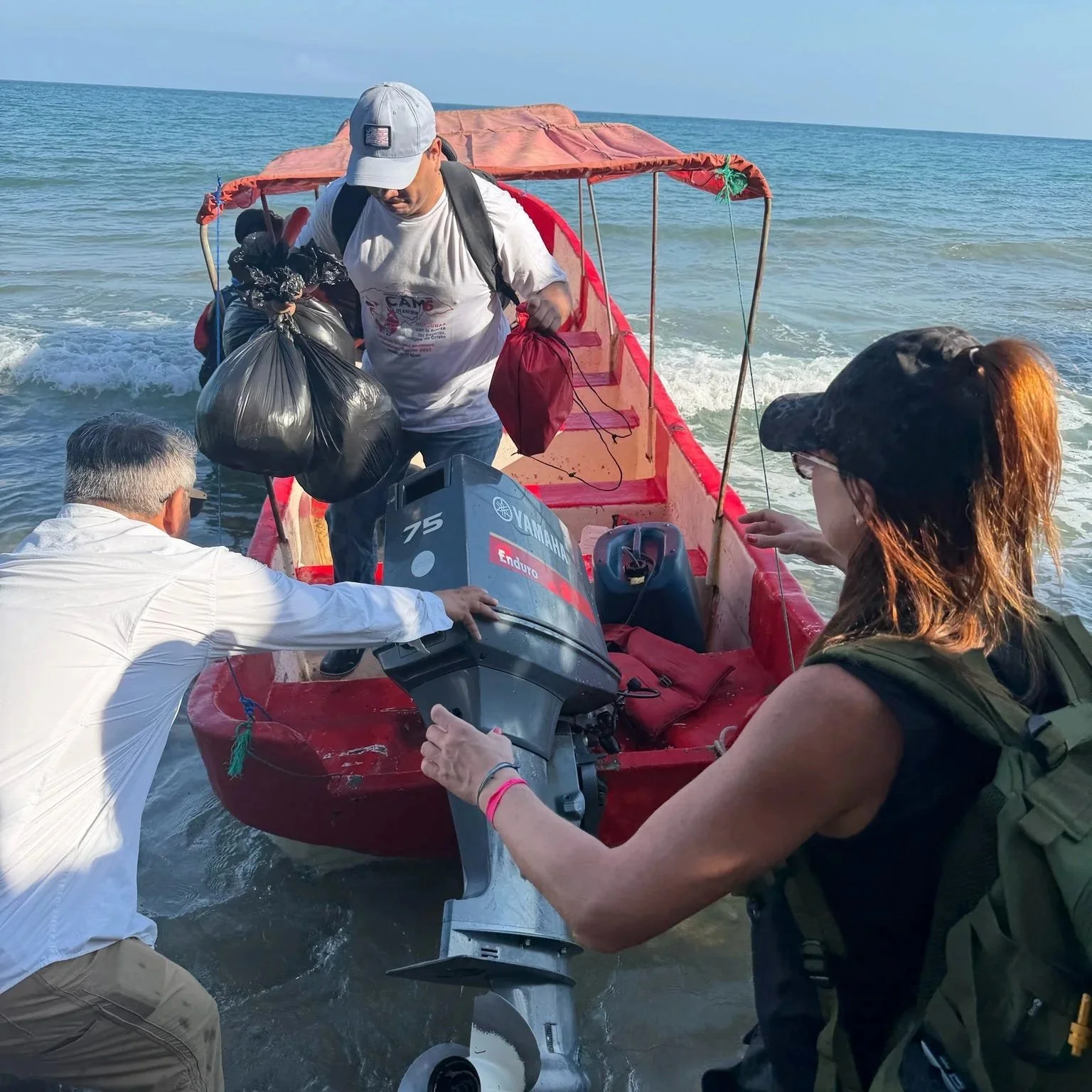
CROSSING THE WATER TO DELIVER HOPE.
With the MMU firmly established in the mountain villages, the mission's calling extended to the remote coastal communities of Quinito & Plan Grande.
Here, the path to healing began not on a road, but on the water. Every boatload of medical supplies represented more than equipment, it carried hope, compassion, & Christ's healing presence to families whose isolation had long limited their access to healthcare.
MORE THAN A MOBILE CLINIC
The Mobile Medical Unit has evolved into far more than a transportation program or outreach clinic. Today, it functions as a mobile healthcare platform capable of delivering a broad range of medical services directly into underserved communities.
Every patient encounter begins with a comprehensive clinical evaluation. Medical histories are obtained, physical examinations are performed, & vital signs are assessed. Blood pressure measurements, heart rate assessment, respiratory evaluation, temperature measurement, & pulse oximetry provide critical information regarding each patient's overall health status.
Portable blood glucose testing assists in the identification and management of diabetes. Portable rhythm strips & electrocardiographic evaluations allow assessment of patients with cardiovascular symptoms & identification of significant cardiac abnormalities.
The mission also employs portable ultrasound technology capable of producing high-quality gynecologic & obstetrical imaging. Women who may otherwise have no access to ultrasound services can receive meaningful diagnostic evaluation within their own communities.
The Mobile Medical Unit carries equipment necessary to administer breathing treatments for patients suffering from asthma, bronchospasm, & other respiratory conditions.
A fully stocked pharmacy accompanies every outreach effort. Medications used to treat hypertension, diabetes, respiratory disease, infectious illnesses, pain syndromes, gastrointestinal disorders, women's health concerns, plus other common medical conditions are distributed directly to patients who may otherwise have little access to treatment.
Together, these capabilities transform the Mobile Medical Unit into a comprehensive healthcare resource capable of delivering meaningful diagnostic, therapeutic, preventive, and public health services wherever the need exists.
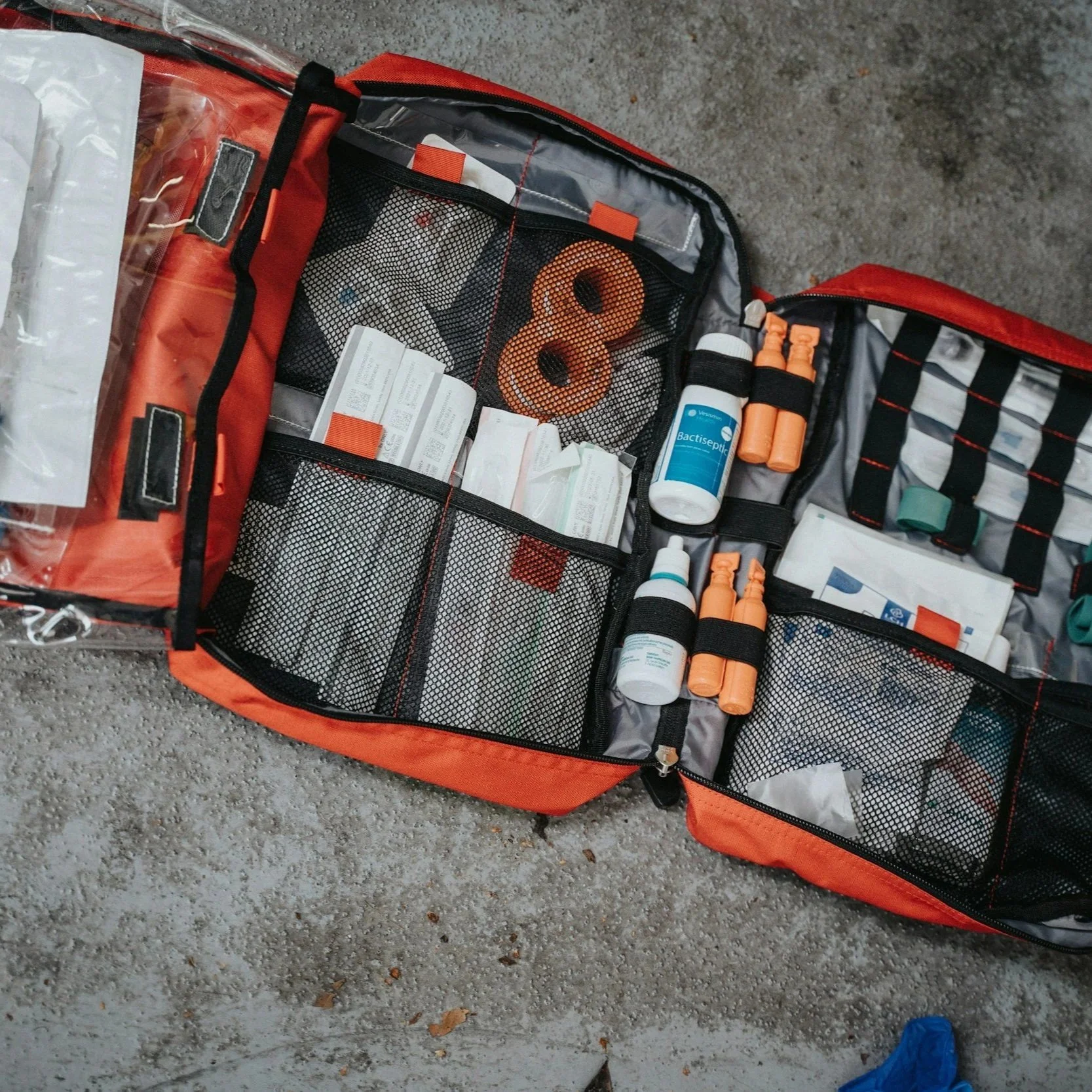
EVERYTHING NEEDED TO BRING THE CLINIC TO THE PATIENT.
Each Mobile Medical Unit backpack is thoughtfully stocked with medications & medical supplies that transform a remote village into a place of healing.
From life-saving prescriptions to treatments for common illnesses, these portable resources allow healthcare providers to deliver comprehensive, compassionate care wherever the need exists: one patient, one family, & one community at a time.
THE NEED BEHIND THE NUMBERS
The medical outreach clinics conducted in Quinito & Plan Grande confirmed the presence of substantial unmet healthcare needs. During the 2026 mission, the Mobile Medical Unit evaluated and treated 187 patients, including 87 patients in Quinito & 100 patients in Plan Grande.
The patient volume alone demonstrates a significant demand for healthcare services within these communities. Beyond the numbers, the patient encounters themselves illustrated the need for continued outreach.
Elderly patients with mobility limitations, individuals suffering from chronic hypertension, women seeking evaluation for longstanding gynecologic concerns, children requiring treatment for respiratory illnesses, & families burdened by gastrointestinal disease all sought care during the outreach clinics.
Many of these conditions were readily treatable. The challenge was not medical complexity. The challenge was access.
Hypertension was among the most frequently encountered chronic conditions. Diabetes and metabolic disorders were identified regularly. Respiratory disease represented another recurring theme. Asthma, wheezing, bronchitis, and chronic respiratory complaints were frequently encountered.
Musculoskeletal complaints were common among adults & elderly patients. Women sought care for gynecologic concerns & preventive health needs. Children presented with common illnesses, nutritional concerns, & parasitic disease.
The presence of 187 patients seeking care in communities accessible only by boat provides compelling evidence that the need for healthcare services remains substantial.
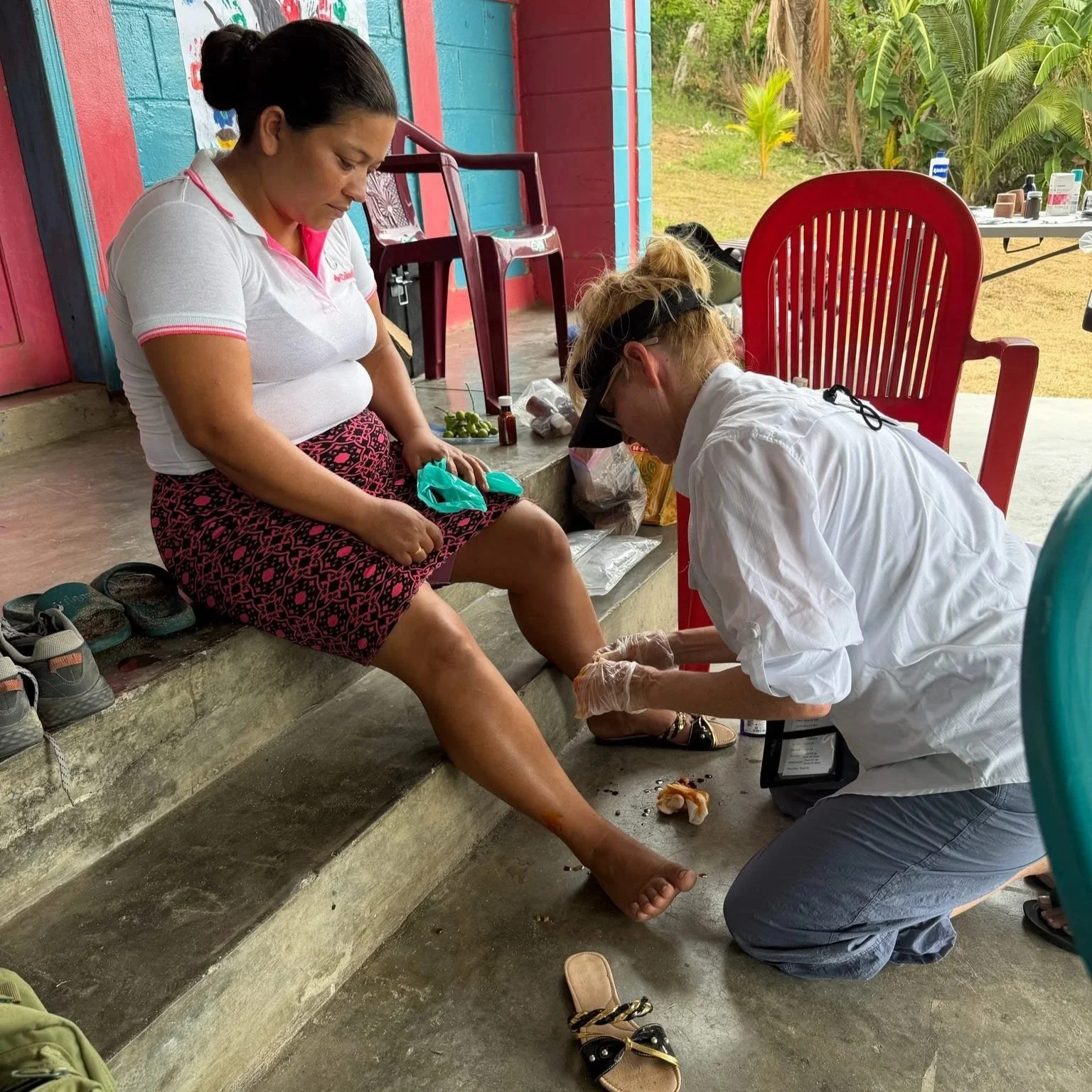
COMPASSION ONE PATIENT AT A TIME.
Every patient cared for by the MMU tells a story that statistics alone cannot capture. As Nurse Tami treats a wound in Plan Grande, she reflects the mission's commitment to bring Christ's healing presence to those living beyond the reach of traditional healthcare.
Behind every number is a person, & behind every act of care is a reminder that no one should be forgotten because of where they live.
HEALING BEYOND THE INDIVIDUAL
While individual patient encounters are important, some of the most significant benefits provided by the Mobile Medical Unit occur at the community level.
One of the most impactful interventions delivered by the mission is the treatment of intestinal parasitic disease.
Throughout many of the communities served by the mission, intestinal parasites remain a significant public health concern, particularly among children. Chronic parasitic infections contribute to anemia, malnutrition, abdominal illness, impaired growth, reduced school performance, & long-term health consequences.
For this reason, antiparasitic treatment is provided to a large percentage of the population encountered during outreach efforts. In many communities, treatment of parasitic disease may represent the single most impactful public health intervention delivered by the mission.
In communities where intestinal parasites are common, safe deworming with albendazole is one of the simplest ways to reduce anemia, malnutrition, abdominal illness, & long-term suffering—especially among children as well as women.
The mission also identified a significant burden of gastrointestinal disease consistent with Helicobacter pylori infection.
Patients presenting with chronic abdominal pain, gastritis, dyspepsia, reflux symptoms, plus other gastrointestinal complaints were frequently encountered. Point-of-care testing confirmed Helicobacter pylori infection in multiple patients.
H. Pylori is a bacteria that lives in the stomach & is the cause of gastritis, peptic ulcers, & an increased risk of gastric cancer & gastric lymphomas. It is easily treated with a cocktail of acid reducing medications combined with antibiotics, which we were able to provide.
The value of these interventions extends beyond the individual patient.
When large portions of a community receive treatment for parasitic disease, the benefits are experienced collectively through improved nutrition, reduced disease burden, enhanced childhood development, & improved overall health.
Similarly, identifying & treating conditions such as Helicobacter pylori infection may help prevent years of chronic symptoms & reduce the risk of more serious complications in the future.
These public health initiatives illustrate an important reality: the Mobile Medical Unit improves not only individual lives, but the health of entire communities.
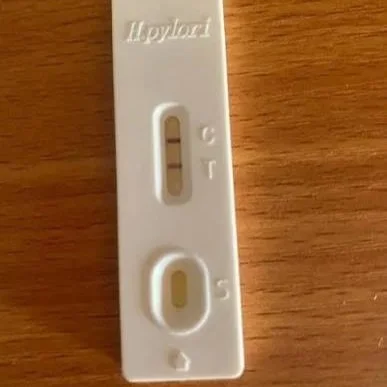
HIDDEN DISEASE, VISIBLE IMPACT.
A positive Helicobacter Pylori result identified during field evaluation highlights a common but often overlooked source of chronic gastrointestinal illness.
Through point-of-care testing, the Mobile Medical Unit is able to identify & treat infections that would otherwise go undiagnosed, reducing long-term suffering across entire communities.
THE NEED HAS NOT CHANGED
The medical conditions identified in the coastal communities of Quinito & Plan Grande were not unusual. The difference was not the disease.
The difference was access.
Patients in these communities suffer from many of the same illnesses encountered throughout the world. Hypertension, diabetes, respiratory disease, parasitic infection, chronic pain, gastrointestinal disorders, & women's health concerns are not unique diagnoses.
What is unique is the degree to which geography limits access to care. Whether isolated by steep terrain, advanced age, physical disability, lack of transportation, or separation by water, the result is the same: patients who struggle to obtain routine healthcare services.
The Mobile Medical Unit addresses that gap by bringing healthcare directly into communities where access remains limited.
Without this outreach, many residents would likely go without physician evaluation, chronic disease management, preventive healthcare services, medication access, diagnostic testing, treatment of parasitic disease, & early treatment of acute illness.
The Mobile Medical Unit was created because some patients could not come to the clinic. Years later, that reality has not changed.
Whether in the mountains of Las Brisas & El Mirador or along the shores of Quinito &Plan Grande, significant barriers to healthcare access continue to exist.
For many patients, the MMU is not simply a convenience, it is their access to healthcare.
“Let us not grow weary in doing good, for in due time we shall reap our harvest, if we do not give up.”
THE MISSION CONTINUES
The expansion of the Mobile Medical Unit to Quinito & Plan Grande represents more than the addition of two new outreach sites. It represents the continued commitment of the mission to seek out those who remain difficult to reach & to respond where the need is greatest.
In many ways, this commitment reflects the very principles upon which the mission was founded.
The Honduras Mission began through the faith, dedication, & vision of Deacon Mike Mims. His commitment to serving the people of Honduras established a foundation that continues to guide the mission today. Although Deacon Mike is no longer with us, his spirit remains present in every clinic established, every home visited, every medication distributed, & every patient served. The mission that he helped create continues to grow because the needs of the people continue to call us forward.
During the 2026 mission, as plans were being made to expand outreach to the coastal communities of Quinito & Plan Grande, I had the opportunity to speak with Deacon Mike's son, Kevin. Knowing the central role his father played in establishing the mission, I asked what he thought his father would have said about extending our efforts beyond the traditional clinic locations into surrounding communities.
Kevin's response was immediate & reassuring. He believed his father would have been delighted to see the mission reach beyond its original boundaries in order to serve additional communities in need.
That conversation served as an important reminder that the mission has never been defined by a specific building, village, or geographic location. Rather, it has always been defined by a willingness to go wherever the need exists.
The expansion of the Mobile Medical Unit from Las Brisas, El Mirador, & La Esperancita to the coastal communities of Quinito & Plan Grande reflects that same spirit. The methods may change, the destinations may change, & the challenges may change, but the purpose remains the same: to bring compassionate healthcare combined with the love of Christ to those who might otherwise be forgotten.
In many ways, the journey to Quinito & Plan Grande represents not a departure from Deacon Mike's vision, but its natural continuation.
As the mission looks toward the future, we remain committed to following the example he set—seeking out those who are difficult to reach, responding to unmet needs, & ensuring that geography is never allowed to become a barrier to compassion.
This mission has taught me much over the six years I have served. The two most important are these… As a physician, this is the way true medicine is practiced, & that this way of practicing brings me absolute joy & peace to my soul. As long I can physically serve & God willing… I will continue.
Thank you to every missionary, home team volunteer, & donor for all that you have done for this mission & the people of Honduras over the years. What you have contributed to these incredible people can never be measured. May these blessings continue for generations to come.
~ Marco Giannotti
“Truly, I say to you, as you did it to one of the least of these my brothers, you did it to me.”